1 min read
When Pools Go Bad
 HASA : Apr 05, 2021
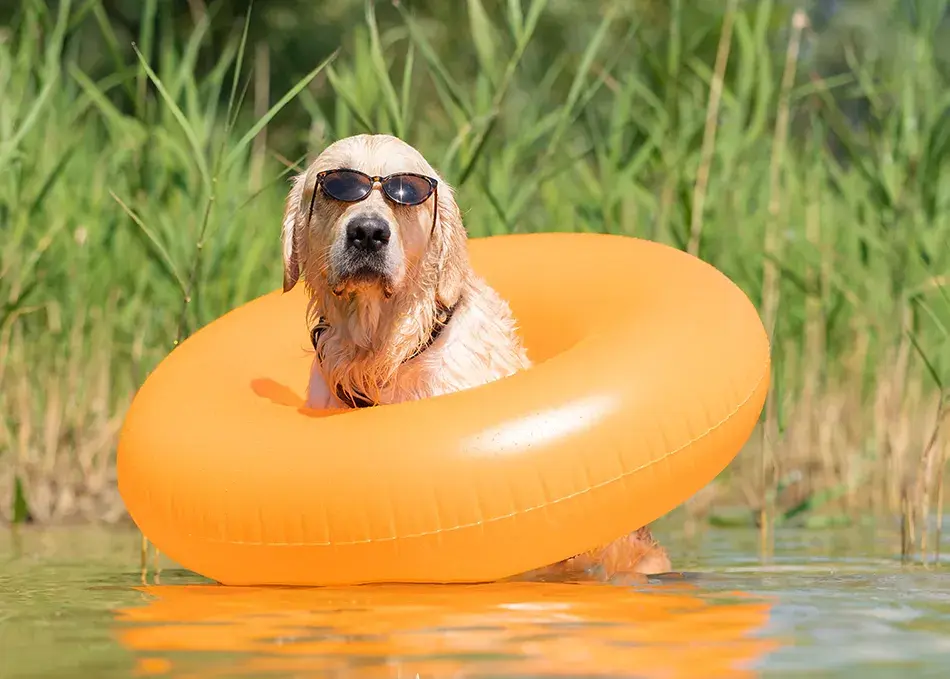
What makes a pool good? I am a dog lover. I have owned many dogs throughout my life. One thing I learned is that there are good dogs and bad dogs....

Pool Products
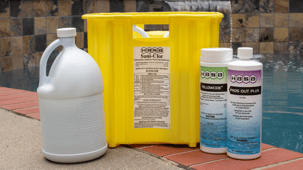
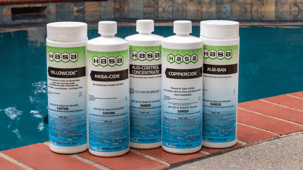
HASA has the chlorine, algaecides, and sanitizers you need to keep your pool or spa clean and clear.
Hot Tub Products
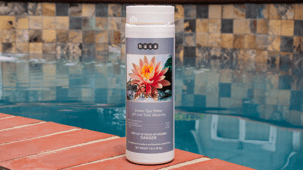
Shop our full line of Hi-Temp spa care products, including Eco-Safe Clarifiers and pH Increasers.
Performance Products
Our eco-friendly water treatments are science-backed and purposefully focused.
Mini-Bulk Program
We deliver a premium 12.5% sodium hypochlorite solution for sanitizing commercial pools and large-scale water systems.
6 min read
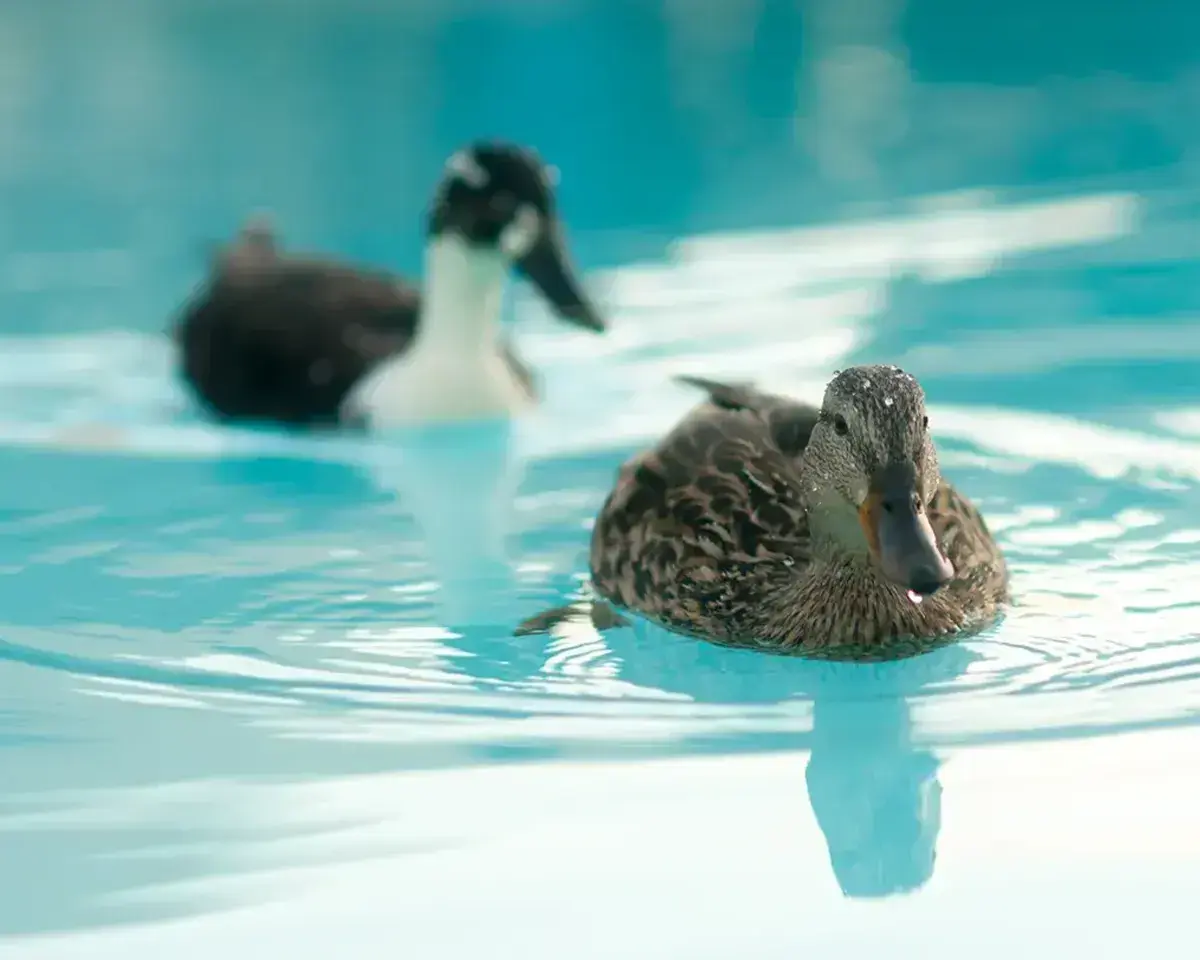
Lions and tigers and bears—oh my! Those are the kinds of encounters you expect in the deep woods… not in your backyard swimming pool. But for many pool owners, especially in foothill, mountain, or rural areas, wildlife showing up in the water is more common than you might think.
From curious deer to the occasional bear (yes, bears!) taking a full-on swim, every animal visit introduces organic contaminants, bacteria, and debris that can quickly throw off water balance and increase chlorine demand.
So what is a pool owner or service professional supposed to do when the local wildlife turns your pool into their personal watering hole? Let’s take a closer look at what animals bring into the water—and residential pool maintenance tips to keep your urban oasis clean and clear.
I was working in my retail pool store in a foothill community in Southern California when one of my regular customers, Gary, walked in.
“I need more chlorine,” he said, a little more urgently than usual.
“Gary, you’ve been going through a lot lately—what’s going on?”
“It’s all because of Samson.”
Gary went on to explain that almost every night around 9 or 10 p.m., he and his wife would hear a massive splash coming from the backyard. Curious, they’d pull back the curtains, and there he was. Samson, a California brown bear, casually swimming laps in their pool like he paid the mortgage.
After about 20 minutes, Samson would climb out, wander over to the attached spa, and settle in for a soak like it was his personal hot tub.
“Needless to say, Samson uses up the chlorine in a big way,” Gary said, smiling. “But he’s great entertainment.”
Samson eventually became something of a local celebrity—the “hot tub bear”—before animal control relocated him to a nearby facility (reportedly with a hot tub of his own).
It’s a funny story, but it highlights a real sanitation issue for pool owners. Animals quickly introduce a significant amount of organic contaminants into the water, which rapidly increases chlorine demand. This reduces free chlorine levels, leaving the pool vulnerable to water quality issues if not properly managed.
Most animals are naturally drawn to water, and for some, your pool may be the most convenient option around. That includes animals from neighborhood dogs to much larger (and less welcome) visitors.
While it might seem harmless at first, even a quick dip can introduce a surprising amount of pool contaminants. Fur, dirt, oils, and waste all enter the water at once, increasing the overall organic load and putting immediate pressure on your sanitizer.
To put it in perspective, when a medium-sized dog jumps into the pool, the resulting chlorine demand can be equal to dozens of swimmers. Now imagine that same scenario with a much larger animal. A bear like Samson, for example, isn’t just taking a swim. It’s essentially causing a full-scale contamination event.
Every visit like this can:
Some animals may also carry pathogens that can lead to recreational water illness (RWI) if the water is not properly maintained. (See the chart below for examples of potential contamination.) The good news is that maintaining appropriate free chlorine levels—typically in the range of 1–3 ppm under normal conditions—helps inactivate most common bacteria and viruses introduced into the pool.
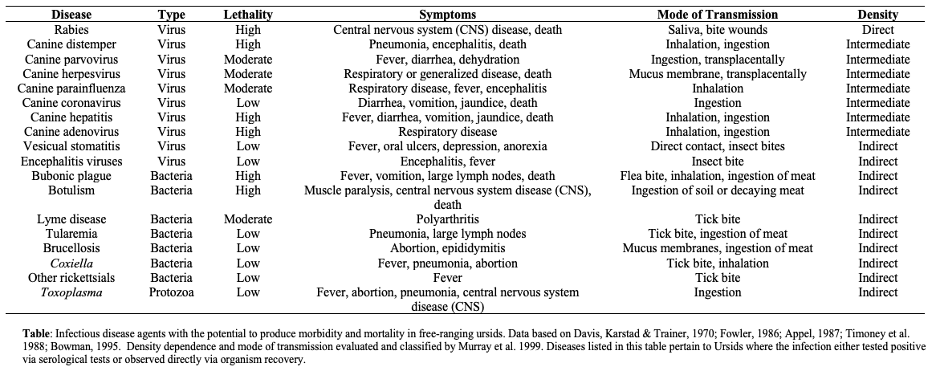
The key takeaway is simple: when animals use your pool, they change the chemistry of the water. Without proper pool maintenance practices and consistent sanitation, even occasional visits can quickly lead to contaminated pool water and health and safety issues.
Different animals bring different challenges when they end up in the pool. Some introduce heavier organic contamination, while others carry specific bacteria or parasites that require a more targeted response to health risks. Understanding what you’re dealing with is key to determining the right water treatment approach and making sure the water is properly sanitized before anyone gets back in.
In warmer climates, snakes may find their way into the pool in search of water or a place to cool off. They can also end up in areas like skimmers, pumps, or around filtration equipment where shade and moisture are present.
While not all snakes are dangerous, some species are venomous. A live snake in or around the pool should never be handled directly. Instead, contact animal control or a qualified professional for safe removal.
From a pool maintenance standpoint, any animal intrusion should be treated as a contamination event. After removal, the water should be circulated and sanitizer levels checked to ensure proper free chlorine levels are maintained before the pool is used again.
Rats are strong swimmers, so it’s not uncommon for them to end up in a pool—sometimes alive, and sometimes unable to get out. In certain cases, they may die in the water, which significantly increases the level of pool contamination.
Rats are known to carry harmful pathogens, including cryptosporidium (Crypto) and giardia, both of which can impact water quality and swimmer health. Crypto, in particular, is highly resistant to normal chlorine levels and requires a more aggressive sanitation approach.
If a rat has been present in the pool, you must follow a proper chlorine water treatment process:
Giardia is one of the most common waterborne diseases in the United States. Fortunately it's more responsive to chlorine and can be inactivated in under an hour at standard free chlorine levels. Still, due to the risk of multiple contaminants, a full super-chlorination treatment is still recommended.
Any situation involving a dead animal should be treated as a serious sanitation event. Thorough cleaning, proper filtration, and restoring balanced water chemistry are essential before returning the pool to normal use.
In warmer, more tropical regions, iguanas are frequent visitors around pools. These prehistoric-looking reptiles are drawn to water and often leave behind waste both in and around the pool area, contributing to pool contamination.
Iguanas can carry salmonella bacteria, which can impact water quality if introduced into the pool. The good news is that salmonella is relatively easy to manage with proper sanitation. Maintaining free chlorine levels at or above 1 ppm is typically sufficient to inactivate it quickly.
Few pool intrusions are as alarming as an alligator. In certain regions, especially in the Southeast, these animals may enter residential pools in search of water or prey.
Beyond the obvious safety risk, alligators can introduce bacteria such as salmonella and other contaminants into the water. If an alligator is found in the pool—alive or dead—immediately contact animal control for removal.
Afterward, the pool should be treated as a contamination event. Proper pool maintenance, including circulation and restoring appropriate free chlorine levels, is necessary before the water is considered safe again.
Ducks and geese are common seasonal visitors and can quickly become a nuisance. While they may seem harmless, these winged quackers introduce a significant amount of waste into and around the pool, increasing organic contaminants and raising overall chlorine demand.
In some cases, their droppings may contain cryptosporidium, which requires more aggressive, super-chlorination treatment. If contamination is suspected:
In addition to treatment, some pool owners use enzymes or clarifiers to help reduce surface attraction, making the water less appealing for birds to land.
Raccoons are one of the more problematic pool intruders due to the health risks they carry. Their feces can contain roundworm, which poses a serious risk to both humans and animals.
While they may appear harmless (sometimes even cute), raccoons can be aggressive and should never be approached. Their bites and scratches could lead to rabies infection. If raccoons are active around the pool, contacting animal control is recommended.
If fecal contamination is present in the water:
This type of contamination requires careful handling and thorough sanitation before the pool is returned to service. If raccoons are a recurring problem, refer to the CDC Healthy Swimming website for more information.
While the occasional animal sighting might make for a good story, repeated visits can be a problem. A few practical steps can go a long way in preventing wildlife from accessing the pool in the first place:
Even with the best prevention methods, occasional encounters can still happen. When they do, the key is to respond quickly—remove debris, run the circulation system, and restore proper free chlorine levels to keep the water safe and clear. And when in doubt, call animal control for assistance.
At the end of the day, animals will always be drawn to water. But with consistent care and a proactive approach, your pool can stay exactly what it’s meant to be: clean, balanced, and ready for (human) swimming—not a stop on the local wildlife tour.
Dealing with unexpected pool visitors? Explore more HASA resources for handling contaminated pool water and restoring safe, clear conditions quickly.
1 min read
HASA : Apr 05, 2021
What makes a pool good? I am a dog lover. I have owned many dogs throughout my life. One thing I learned is that there are good dogs and bad dogs....
From Suncreen to Sweat: What's Throwing Off Your Water Chemistry As temperatures climb and pools see heavier use, that backyard or community pool...
When most people picture a pool service visit, they imagine a quick skim, a chemical top-off, and a wave goodbye. But anyone who’s watched real pool...