Swimming Pool Maintenance During Hurricane Season
What to Do Before and After the Storm Hurricanes and severe storms can create serious challenges for swimming pool owners and pool professionals....


Pool Products
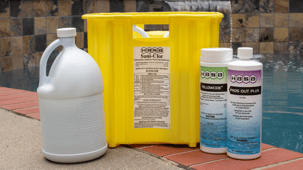
HASA has the chlorine, algaecides, and sanitizers you need to keep your pool or spa clean and clear.
Hot Tub Products
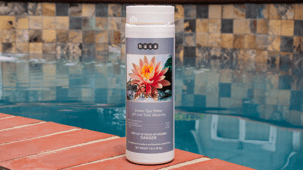
Shop our full line of Hi-Temp spa care products, including Eco-Safe Clarifiers and pH Increasers.
Ancillary Products
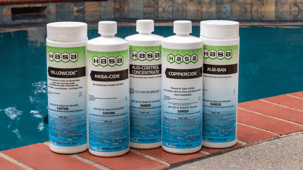
Our eco-friendly water treatments are science-backed and purposefully focused.

Mini-Bulk Program
We deliver a premium 12.5% sodium hypochlorite solution for sanitizing commercial pools and large-scale water systems.
6 min read
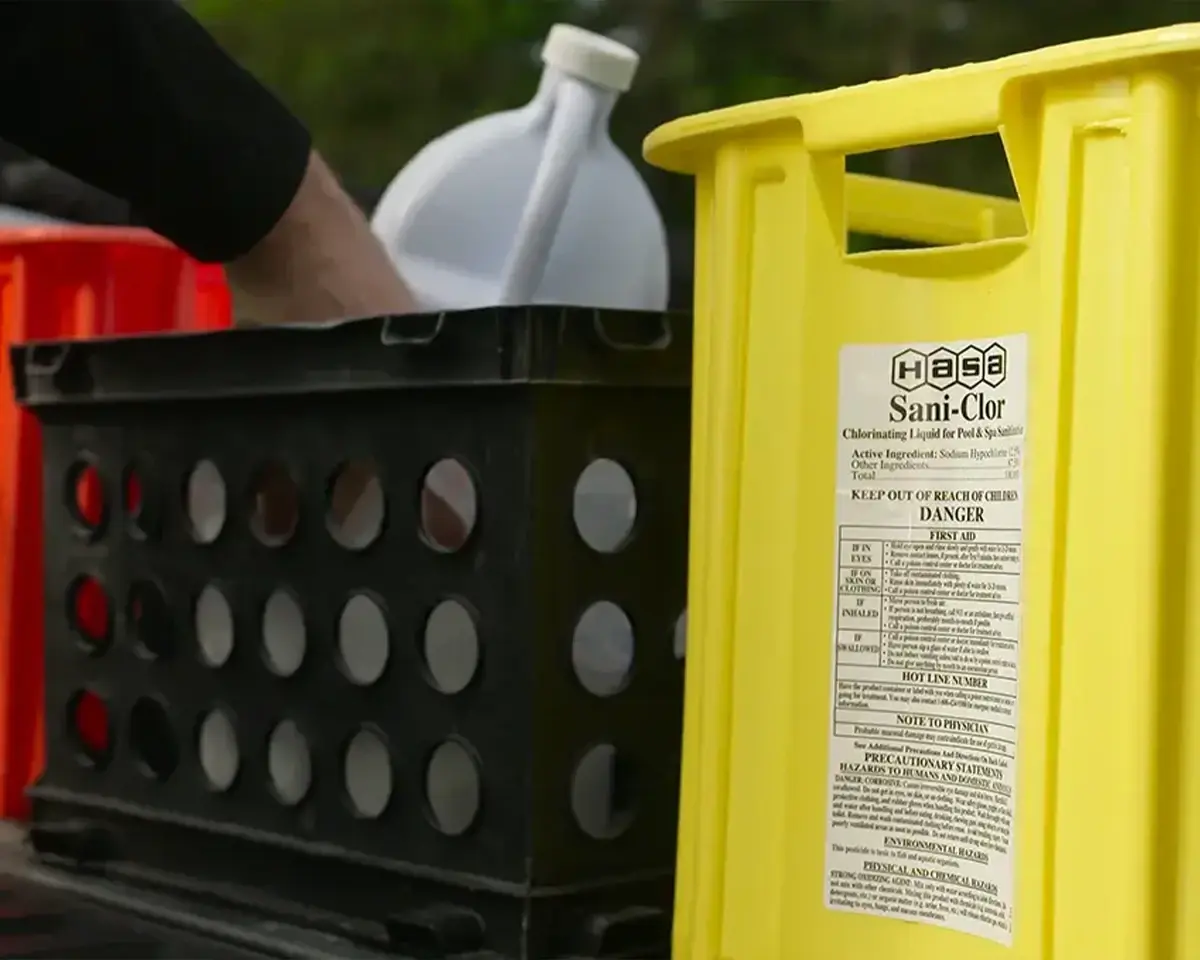
When it comes to pool chemical safety, there’s no room for shortcuts. Whether you’re a seasoned pool service pro or someone managing a community or backyard pool, understanding how to handle, store, and transport water treatment chemicals correctly is essential.
The products we use to keep swimming pools clean, such as chlorine, acids, and balancers, are powerful tools. But when misused or combined improperly, those same pool chemicals can pose serious risks to people, equipment, and property. Knowing how to handle them safely protects not only you, but your clients, coworkers, and the pools you maintain.
Let’s break down what safe handling really looks like, starting with something simple but critical: understanding what’s on the label.
Every container of pool chemicals tells a story that starts with the label. It’s your first line of defense when it comes to pool chemical safety. The label (and its companion, the Safety Data Sheet or SDS) explains how to use the product properly, what hazards to avoid, and what to do if something goes wrong.
Labels and SDS sheets include one of three key hazard classifications established by the EPA:
Even seasoned pool techs can overlook label details when working fast. But reading and understanding those warnings, along with the SDS, can prevent costly mistakes, injuries, and property damage. Make it a habit to review both before every new job or chemical batch.
Transporting pool chemicals safely is more than keeping things tidy in the truck. It’s about preventing dangerous chemical reactions. A few inches or an unsecured cap can make the difference between a smooth day and a serious hazard. Whether you’re carrying water treatment chemicals for commercial pools or restocking a residential route, every load deserves attention.
Before hitting the road, make sure:
Liquid chlorine is powerful and reactive. Always:
Dry chlorine products like calcium hypochlorite (Cal-Hypo) should be sealed and stored separately from trichlor and dichlor products. Mixing or even allowing dust from one to contact the other can trigger heat, gas release, or fire. Also, don’t underestimate rainwater. Even a few drops inside a chlorine container can cause a reaction.
Acids are essential water treatment chemicals, but they must be handled with extreme care:
Other swimming pool chemicals (like algaecides, stabilizers, or balancers) should be stored according to label and SDS guidance. A few quick rules of thumb:
When in doubt, separate by type and use secondary containment for all liquids. It’s both a safety precaution and protects your truck, your reputation, and your clients’ property.
It’s tempting to reuse empty buckets or containers when handling pool chemicals, especially when you’re trying to save space or reduce waste. But even trace amounts of leftover product can turn that shortcut into a serious safety risk.
The bottom line: saving a few dollars on buckets isn’t worth the risk of injury, damaged equipment, or liability. Proper storage and labeling are fundamental to pool chemical safety and to maintaining professional standards on every job.
Storing pool chemicals correctly is just as important as using them correctly. Poor storage can lead to leaks, corrosion, or dangerous chemical reactions. Follow these simple principles to dramatically improve pool safety:
Avoid storing water treatment chemicals in areas connected to homes, offices, or pool equipment rooms. Residential garages, for instance, aren’t ideal as they often lack ventilation and temperature control. Instead, use a dedicated, well-ventilated chemical room or outdoor storage area designed for safety and easy access.
Keeping your storage setup organized reduces risk, saves time, and keeps your operation running smoothly. When chemicals are easy to find, properly labeled, and stored with care, you’re protecting your team, your clients, and your business.
When it’s time to use pool chemicals, precision and awareness are everything. Every product, from chlorine and acid to balancers and algaecides, has its own rules for safe handling.
Before handling any water treatment chemicals, take a moment to read both the product label and its Safety Data Sheet (SDS). These documents explain how to apply the chemical safely, what protective equipment to wear, and what to avoid mixing. Even if you’ve used a product dozens of times, double-checking keeps you sharp and compliant.
Some chemicals require gloves, goggles, or a breathing mask—especially when broadcasting dry products or pouring acids. Remember: even a small splash or puff of dust can cause irritation or burns. Protecting your skin, eyes, and lungs should always come first.
Working with pool chemicals is a serious responsibility. The same products that make water safe and inviting can become hazardous if mismanaged. By following clear pool chemical safety practices—like understanding hazard labels, storing products separately, avoiding cross-contamination, and wearing proper protection—you set a higher standard for professionalism and care.
These best practices aren’t complicated, but they do take commitment. When every container is labeled, every cap is secure, and every rule is followed, you’re not just keeping people safe. You’re helping the entire industry maintain trust and integrity. Safe handling starts with understanding how chemicals behave in the water. Our pool chemistry guide covers the fundamentals.
Find and download digital versions of Safety Data Sheets for all of HASA’s products so you’ll always have the information you need, when you need it.
Author: Terry Arko
Terry Arko brings more than 40 years of experience in the recreational water industry and currently serves as Technical Content and Product Training Consultant for HASA Pool, makers of HASA Sani-Clor. His career spans service and repair, retail sales, chemical manufacturing, technical service, commercial sales, and product development—giving him a uniquely comprehensive perspective on water chemistry from both the field and the lab.
A respected educator and thought leader, Terry has written over 200 published articles on water chemistry and has been teaching chemistry-focused courses for more than 30 years. His ability to translate complex science into practical, real-world understanding has made him a trusted resource for pool professionals seeking safer, smarter, and more consistent water care.
Terry is a Certified Pool Operator (CPO) Instructor with the Pool & Hot Tub Alliance (PHTA) and serves on the Recreational Water Air Quality Committee (RWAQC). In 2025 he was presented the Pool Nation Lifetime Achievement Award. Terry is driven by a lifelong commitment to education, innovation, and advancing industry standards through knowledge.
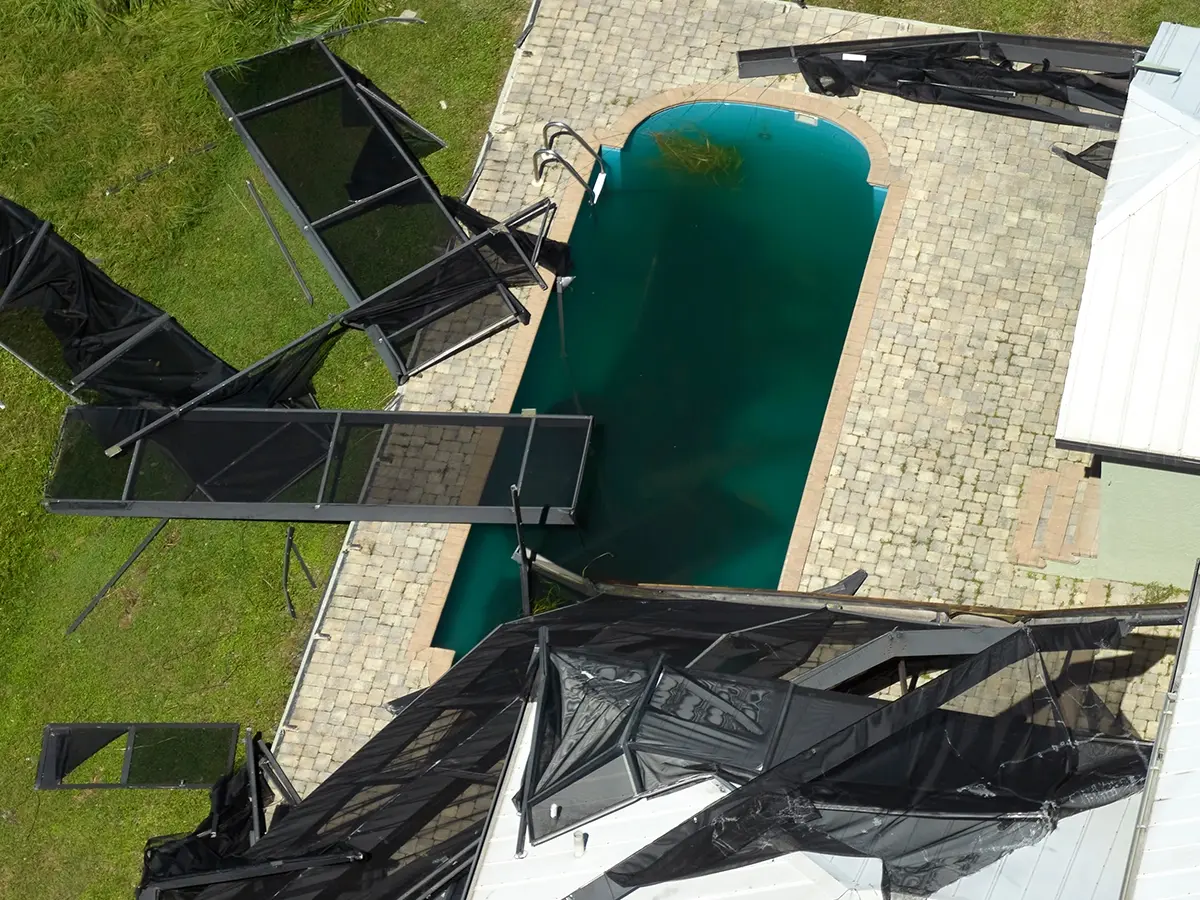
What to Do Before and After the Storm Hurricanes and severe storms can create serious challenges for swimming pool owners and pool professionals....

Pool Chemical Storage Safety: Protecting Yourself, Your Warehouse and Truck During Fire Season Fire season increases the risk of fires in pool...

Are You Ready? The official start of summer may be Memorial Day weekend; however, the start of pool season can be as unpredictable as the weather....