Pool Algae Guide: Types, Identification, and Treatment
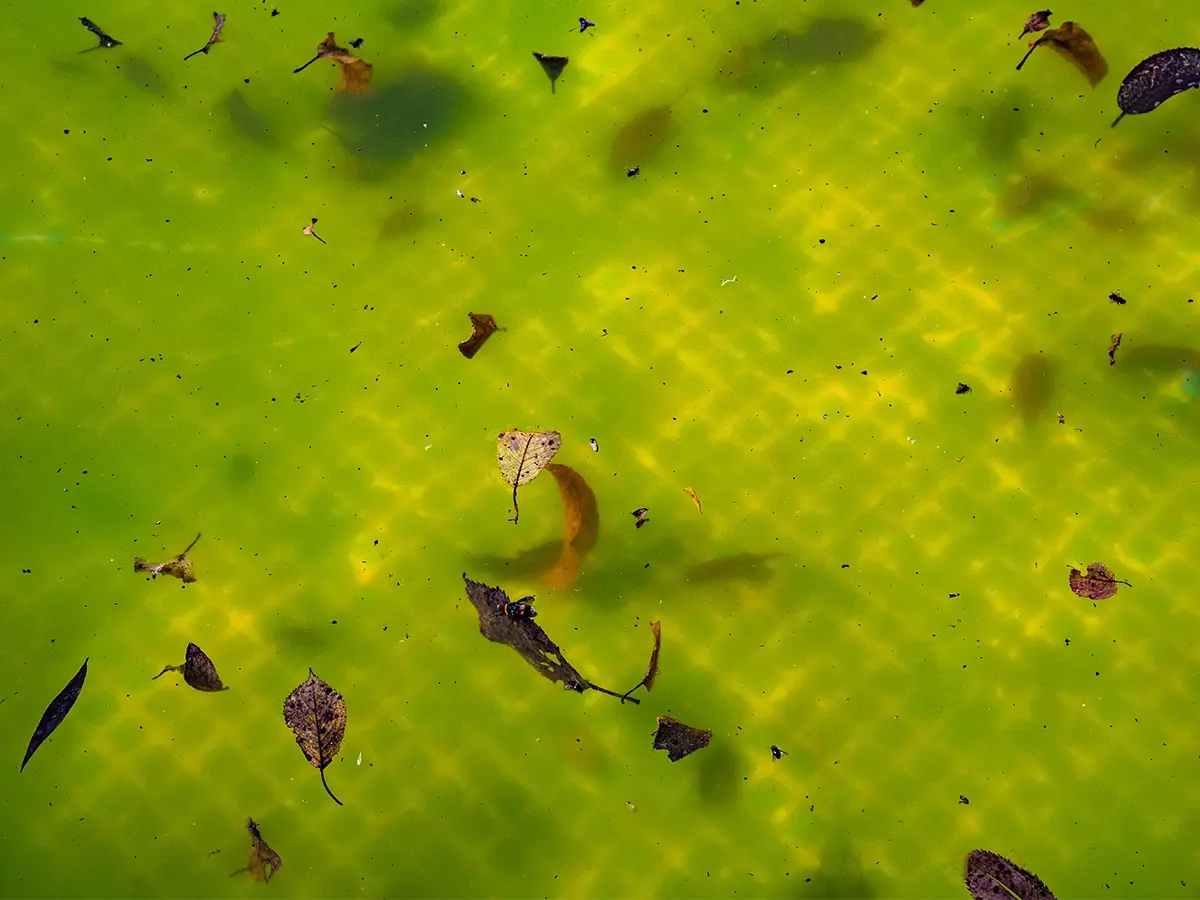
How to identify, treat, and prevent pool algae, before it takes hold This guide is written for pool service professionals, commercial pool operators,...

Pool Products
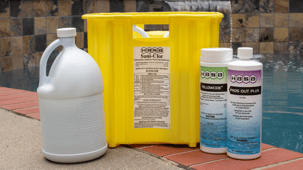
HASA has the chlorine, algaecides, and sanitizers you need to keep your pool or spa clean and clear.
Hot Tub Products
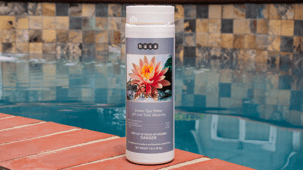
Shop our full line of Hi-Temp spa care products, including Eco-Safe Clarifiers and pH Increasers.
Performance Products
Our eco-friendly water treatments are science-backed and purposefully focused.
Mini-Bulk Program
We deliver a premium 12.5% sodium hypochlorite solution for sanitizing commercial pools and large-scale water systems.
5 min read

The official start of summer may be Memorial Day weekend; however, the start of pool season can be as unpredictable as the weather. Warmer weather, longer days, and school breaks are just around the corner. That means more chemical consumption, increased activity, and more swimmers in the pool. It also means the threat of algae in the pool. Now is the time to get ready.
As weather warms up and more bodies dive into the pool, sanitizer levels can get consumed rapidly. A pool that is exposed to increasing hours of sunlight can go through 1 part per million (ppm) of chlorine a day, even with cyanuric acid (CYA). Increased water temperature and swimmer load can lead to as much as 10 ppm of chlorine consumed within a week. So, what would happen if the chlorine added on Monday fizzles out by Thursday? Well it takes algae about 8 hours to double in population in untreated water. Within 3 days there can be millions of algae present. By the following Monday, the pool could be well on its way to becoming a swamp.
If it has been a while since the pool has been super-chlorinated, now it is a good time to do a chlorine disinfection shock treatment. This is accomplished by using enough chlorine to raise the free chlorine to 20 ppm. 12.5% sodium hypochlorite (liquid chlorine) is the best way to accomplish this. It takes 2 gallons of liquid chlorine in a 10,000-gallon pool to get 25 ppm of free chlorine. Because it’s in a liquid form there is an instant reaction to produce a powerful residual of free chlorine. Once the chlorine level has returned to below 5 ppm, test the pools for phosphate and do a phosphate removal treatment. Prepare to vacuum to waste after the phosphate treatment. Once phosphates have been reduced, a good broad-spectrum algaecide may be used.
Ideally, the free chlorine level should continue to be ramped up, so it surpasses any additional chlorine demand from environmental contaminants such as leaves and pollen. The best thing to determine at each pool is what the level of total chlorine is along with the level of free chlorine. Once these two tests are known, simply subtract the free chlorine test reading from the total chlorine reading, the amount of combined chlorine can be determined. The combined chlorine level will be the number that is left when the free chlorine is subtracted from the total chlorine.
Example:
Total Chlorine test = 3 ppm
Free chlorine test = 1 ppm
3 ppm – 1 ppm = 2 ppm
In this example the combined chlorine is 2 ppm and higher than the free chlorine. The goal is to add enough chlorine to ensure that the free chlorine residual will be higher than the combined. In this case a shock of 20 ppm of chlorine would be needed in order to deal with the combined chlorine and raise the free chlorine level. However, not all combined chlorine can be reduced by shocking. There are organic forms of combined chlorine that are resistant to chlorine. If high levels of combined chlorine do not lower after shocking then the pool may need to be drained and lowered a few feet, then replenished with fresh water.
Algaecides should be incorporated in situations where there is high use of the pool and difficulty in maintaining a free chlorine level that consistently remains higher than the combined chlorine.
In many regions—especially across the West and Southwest—drought conditions tend to intensify as summer wears on. Hot weather combined with lower available water supplies may lead some communities to declare drought restrictions. This could have an impact on swimming pools and how the pools are maintained. Here are some tips for pool service techs during declared times of drought:
Learn more about water chemistry, testing, and regular maintenance with HASA.
Try our Pool Chemical Calculator and achieve perfectly balanced water today.
Author: Terry Arko
Terry Arko brings more than 40 years of experience in the recreational water industry and currently serves as Technical Content and Product Training Consultant for HASA Pool, makers of HASA Sani-Clor. His career spans service and repair, retail sales, chemical manufacturing, technical service, commercial sales, and product development—giving him a uniquely comprehensive perspective on water chemistry from both the field and the lab.
A respected educator and thought leader, Terry has written over 200 published articles on water chemistry and has been teaching chemistry-focused courses for more than 30 years. His ability to translate complex science into practical, real-world understanding has made him a trusted resource for pool professionals seeking safer, smarter, and more consistent water care.
Terry is a Certified Pool Operator (CPO) Instructor with the Pool & Hot Tub Alliance (PHTA) and serves on the Recreational Water Air Quality Committee (RWAQC). In 2025 he was presented the Pool Nation Lifetime Achievement Award. Terry is driven by a lifelong commitment to education, innovation, and advancing industry standards through knowledge.
How to identify, treat, and prevent pool algae, before it takes hold This guide is written for pool service professionals, commercial pool operators,...
 HASA : Aug 01, 2025
For Precision-Minded Pool Owners, Guessing Isn’t Good Enough If you’re the kind of pool owner who prefers data over assumptions and consistency over...
HASA : Jun 12, 2026
Big day at HASA – today we announced the acquisition of Bio-Dex Laboratories, Inc., a trusted manufacturer of professional-grade swimming pool and...