Five Top Contaminants in Swimming Pool Water
From Suncreen to Sweat: What's Throwing Off Your Water Chemistry As temperatures climb and pools see heavier use, that backyard or community pool...


Pool Products
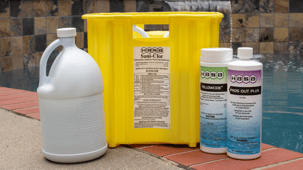
HASA has the chlorine, algaecides, and sanitizers you need to keep your pool or spa clean and clear.
Hot Tub Products
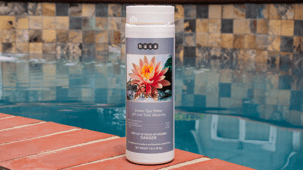
Shop our full line of Hi-Temp spa care products, including Eco-Safe Clarifiers and pH Increasers.
Ancillary Products
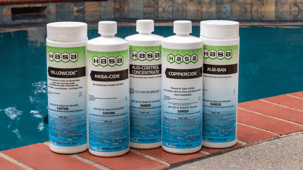
Our eco-friendly water treatments are science-backed and purposefully focused.
Mini-Bulk Program
We deliver a premium 12.5% sodium hypochlorite solution for sanitizing commercial pools and large-scale water systems.
4 min read
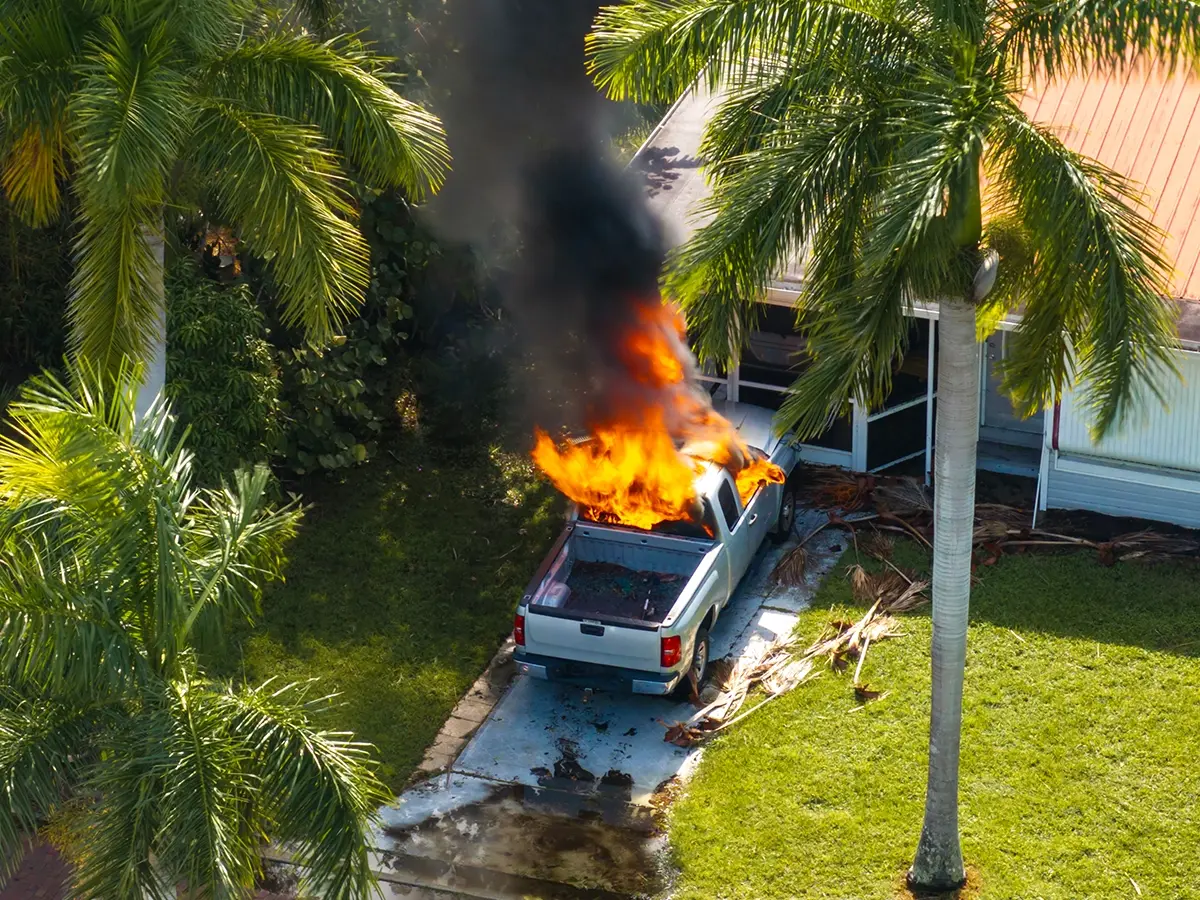
Fire season increases the risk of fires in pool storage areas and on service trucks. Proper storage, vehicle organization, and field precautions can help pool service professionals prevent fires and stay safe when wildfire risk is high.
Fire season in many areas is now as common as winter, spring, summer and fall. The hot dry days of late summer are when there is the biggest threat from wildfires. This is also the time of year when pool service professionals servicing swimming pools are the busiest. Fires are unpredictable and at the height of the season they can grow quickly and move rapidly. Pool service professionals should never compromise their own safety during these times in an attempt to service pools. Also, there are some safety measures for storing chemicals in a warehouse or on a vehicle which can help prevent fire. It is very important to be extra aware of any situation which could lead to the ignition of a major wildfire.
This guide focuses on fire-season safety for pool chemical storage in warehouses and garages, organization on service trucks, wildfire precautions in the field, and emergency preparedness for pool care and pool water treatment operations.
A garage should not be a chemical warehouse. When storing large amounts of chemicals for a service route, having a separate, well ventilated, clean building apart from a garage is safer. When large amounts of pool chemicals are stored in a garage along with other items such as solvents, fuels and gasoline, there is a greater chance of a reaction. This is especially true with chlorinated oxidizers, which can lead to a fire. Also, since most garages are attached to living spaces, there is much more potential for noxious fumes and chemical gases to spread to the living spaces. If there were an accident that led to a fire, the home would be greatly threatened. Having a separate building away from other structures is the best way to store large amounts of chemicals.
Commercial warehouses are required to store chlorinated oxidizers in a separate room. That room must be able to be sealed off with a fire door in the event of an emergency. A fire door is able to shut off the storage area from the rest of the building to prevent flames, toxic gases and smoke from spreading to the rest of the facility. It is prudent to work with the local fire department to determine the best way to store flammable or potentially hazardous chemicals to prevent fires.
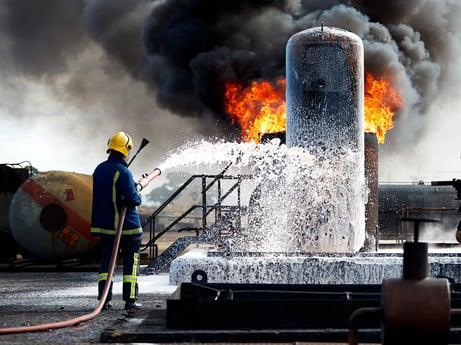
Pool chemicals should be stored with chlorine products separate from acids or other specialty chemicals. Liquid chemicals should never be placed above dry or solid chemicals. And chemicals should not be exposed to any moisture. In the case of calcium hypochlorite (Cal-Hypo), contact with liquids or rainwater can be enough to cause the material to create heat and ignite. Choosing the right pool care products and storage methods is critical to preventing this. All pool chemicals, especially chlorine, must be stored far apart from solvents, fuel or gasoline. Having a separate building that has a good ventilation system that is able to draw air in and out and remains cool is the best for storing chemicals. All products should remain in the original containers, clearly marked and securely closed. Any compromise of packaging or lids should be addressed immediately, and older products should never be mixed into newer product packaging.
Storage on service trucks is important to prevent fires and accidental release of toxic fumes from incompatible chemicals. For a full breakdown of safe loading and transport practices, see HASA's Transportation Guidelines. Also refer to the safety data sheet SDS for any product to obtain specific information on transporting any type of combustible or flammable chemical.
Neatness and organization of the service vehicle is equally important. Store chlorinated oxidizers separate from acids or other specialty chemicals. If carrying Cal-Hypo, keep it separate from other forms of chlorine like Tri-Chlor and also separate from any organic materials. Ensure that the container of Cal-Hypo is secured and the lid is securely in place. A cracked or missing lid on a Cal-Hypo container could lead to contamination of the product from dust or rainwater which may cause the chemical to create heat and combust. This type of fire can quickly spread to other flammable materials within the service vehicle.
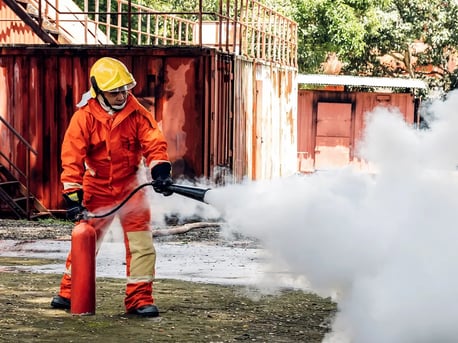
Carry a fire extinguisher on the vehicle that is rated in class D for multiple chemicals and fuel fires. When carrying liquid chlorine or acid, transport within a secondary containment receptacle to avoid leaking from spreading to other chemicals or damaging the service vehicle. Keep dry products separate from liquids and never place liquids on top of dry or solid chemicals.
One big safety and fire prevention tip is the truck itself. Many fires have started from backfire sparks from improperly maintained vehicles. Keeping service vehicles maintained so as to prevent afterburn from the exhaust pipe can help prevent the burning of dry grasses from sparks. Never park service vehicles in areas of tall dry grass, as the heat from a catalytic converter or even just the tail pipe can cause the brush to ignite. Never throw lighted matches or cigarettes out of the window period.
Storage isn't just a fire-safety issue — it's a water-quality issue. Chemicals that degrade from moisture, heat, or improper storage don't just become a handling risk; they lose potency and can throw off pool water chemistry once they're dosed. Following the storage practices above protects your crew and keeps every product performing the way it's supposed to once it hits the water.
Not sure if your current chemical storage setup is protecting both your crew and your product quality? Contact HASA for a quick storage safety check. Also it is important to refer to the SDS for specific directions on proper storage and disposal of combustible or flammable chemicals.
Active fire areas should be avoided by pool service technicians. Active fires can change course in seconds, especially in areas of high wind. Use extreme caution in and around any area where wildfires are still active.
Always be aware of where fires are active and plan service routes to avoid these areas. Plan and know several routes to escape should active fires change course. Carry protective gear and emergency supplies which include the following:
Never cross an emergency barrier or enter an area of evacuation to service a swimming pool.
Cleaning up after a wildfire can take some time and should be pursued with care. Be aware of live downed power lines. If power has been off at the house, contact a licensed professional electrician to inspect all wiring and equipment.
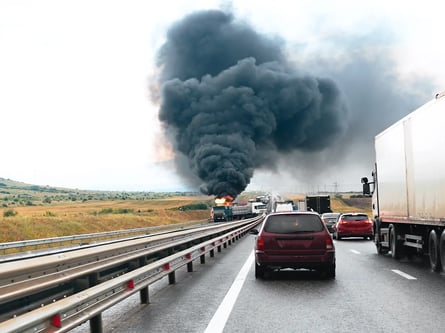
Cleaning up after a wildfire can take some time and should be pursued with care. Be aware of live downed power lines. If power has been off at the house, contact a licensed professional electrician to inspect all wiring and equipment.
Fire season is a time to be prepared and proactive to prevent fires from occurring and to ensure that chemical storage, service trucks and most importantly you and your personnel are kept safe. Staying safe during fire season means you can keep delivering reliable pool care and water treatment to every customer on your route.
Explore HASA's full line of swimming pool chemicals built for reliability when conditions get unpredictable.

From Suncreen to Sweat: What's Throwing Off Your Water Chemistry As temperatures climb and pools see heavier use, that backyard or community pool...

A Practical Guide for Pool Service Professionals

Why Hire a Pool Service Professional? It Starts With Peace of Mind Pool chemicals are the products, chlorine sanitizers, phosphate removers, scale...