How Pool Care Professionals Solve Problems Like Detectives
When most people picture a pool service visit, they imagine a quick skim, a chemical top-off, and a wave goodbye. But anyone who’s watched real pool...

Pool Products
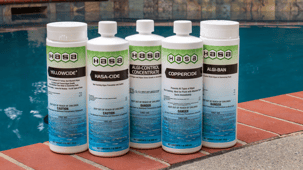
HASA has the chlorine, algaecides, and sanitizers you need to keep your pool or spa clean and clear.
Hot Tub Products
Shop our full line of Hi-Temp spa care products, including Eco-Safe Clarifiers and pH Increasers.
Performance Products
Our eco-friendly water treatments are science-backed and purposefully focused.
Mini-Bulk Program
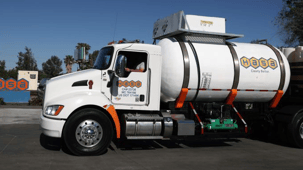
We deliver a premium 12.5% sodium hypochlorite solution for sanitizing commercial pools and large-scale water systems.
6 min read
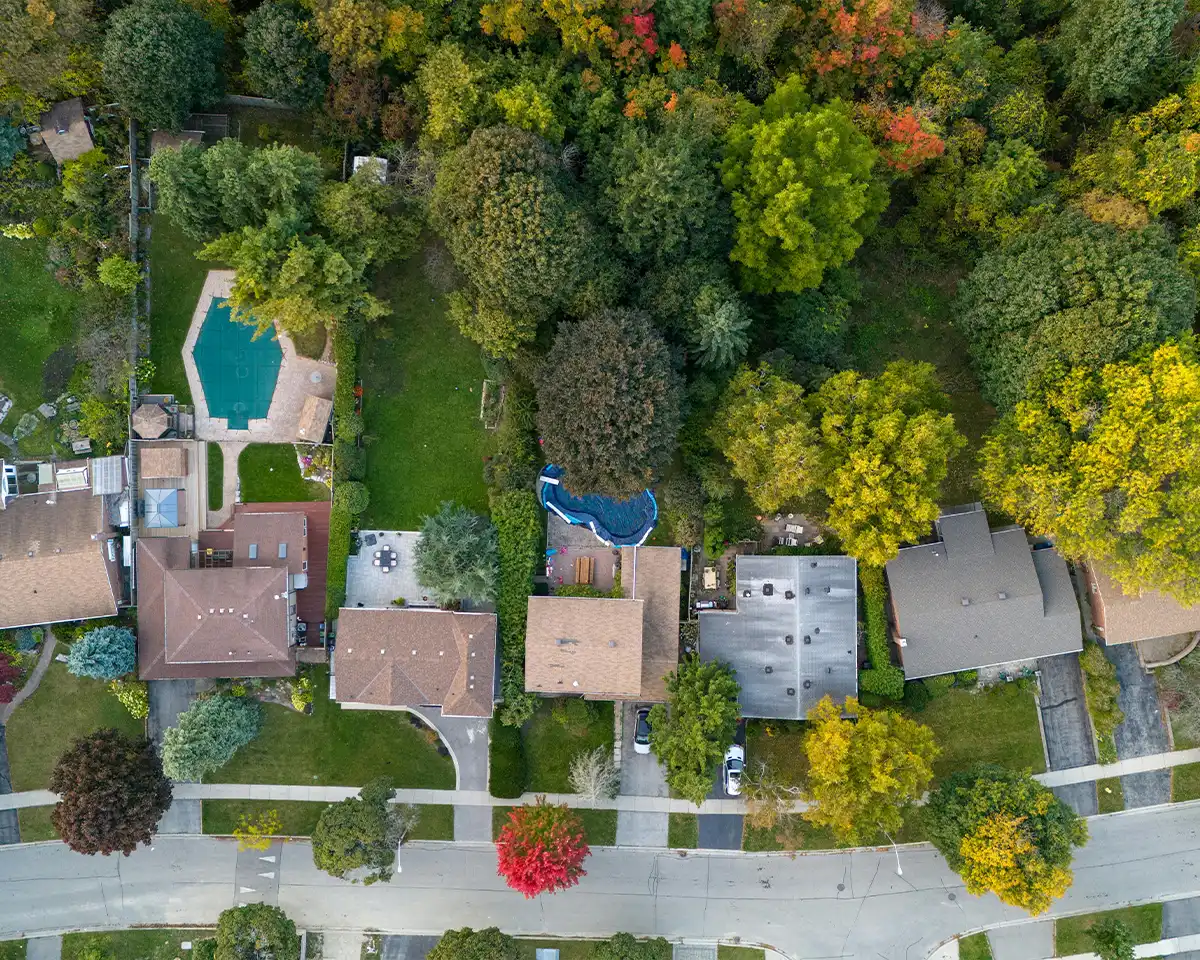
If you’ve ever compared notes with a pool pro from another part of the country, one thing becomes obvious fast: no two regions approach pool care exactly the same way. Climate, source water, customer expectations, and service models all shape how pools are maintained day to day.
From Florida’s preference for liquid chlorine to the Southwest’s comfort with cal-hypo, the U.S. pool industry is a collection of regional micro-markets. Each one has developed its own set of pool water maintenance tips based on what actually works in local conditions.
That diversity is a strength. When you zoom out, patterns emerge—and so do opportunities to learn. While the tools and tactics may differ, the fundamentals of pool chemistry and water balance remain consistent everywhere. Understanding how other regions adapt those fundamentals can make any service program stronger.
The biggest regional difference in pool care isn’t service frequency or equipment—it’s the water itself. Every pool starts with a different chemical baseline, and that starting point shapes every decision that follows.
|
Region |
Common Traits |
Unique Challenge |
|
Southwest (AZ, NV, CA Inland) |
High calcium & TDS |
Scale control & cloudiness |
|
Pacific Coast |
Softer, lower hardness |
pH drift & corrosion risk |
|
Southeast (FL, GA) |
Warm, soft water |
High chlorine demand & algae pressure |
|
Midwest/Northeast |
Cold, seasonal |
Winterization & startup shock |
Even within the same city, water chemistry can change block by block. Municipal source shifts, aging infrastructure, and private wells all influence baseline readings. Two pools on the same street may require completely different strategies.
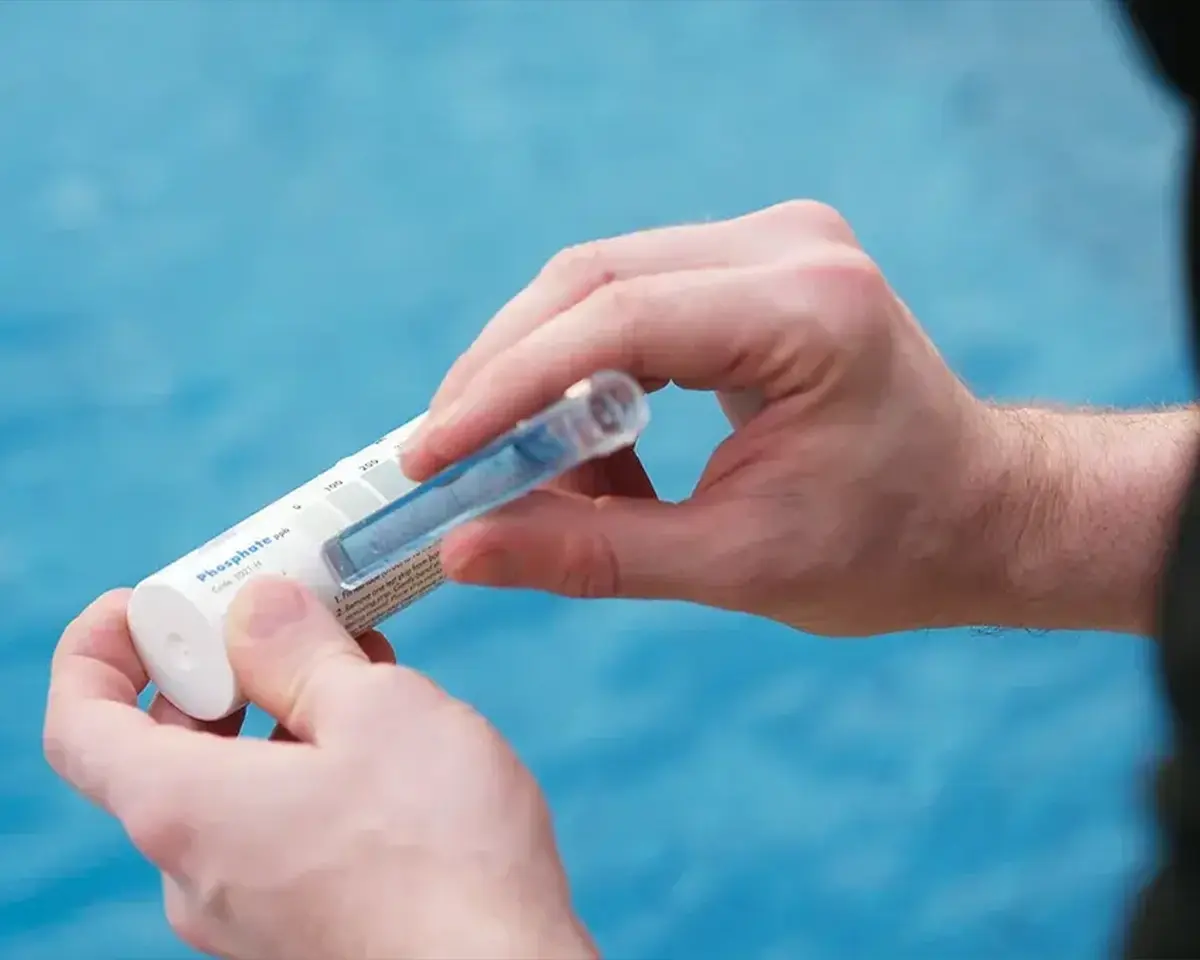
This is why testing fill water is one of the most overlooked but valuable pool water maintenance tips. Knowing your starting chemistry helps determine what to adjust, how aggressively to treat, and which products will support long-term balance rather than fight against it.
Good pool care is never one-size-fits-all. It’s local pool chemistry meeting local climate, and successful pros know how to adapt both.
Beyond baseline water chemistry, climate determines how fast pool conditions change—and how forgiving mistakes can be.
In hot, humid regions, chemistry rarely stays stable for long. Warm water accelerates chemical reactions, increases chlorine demand, and encourages rapid biological growth. A pool that drifts slightly out of balance on Monday may show visible problems by Wednesday if conditions are right. As a result, service strategies in these regions emphasize frequent testing, faster corrective action, and products that respond quickly.
In contrast, cooler or seasonal climates tend to experience slower chemical swings but sharper transitions. Spring openings often reveal water that has shifted significantly over months of non-use, requiring aggressive rebalancing. Likewise, sudden temperature drops in fall can push otherwise balanced water toward corrosive conditions almost overnight. Pool professionals in these regions learn to anticipate change rather than react to it.
Sun exposure also plays a regional role. High UV environments place constant pressure on chlorine residuals, making stabilizer management critical. Coastal and northern regions with lower UV intensity may prioritize corrosion control and pH stability instead. Wind, rainfall, and dust further complicate the picture by introducing region-specific contaminants that influence pool chemistry differently.
These environmental factors explain why pool water maintenance tips that work perfectly in one state may fail in another. They also highlight an important industry truth: Effective water treatment for pools isn’t about rigid rules. It depends on proper timing, awareness, and adaptation.
For the average pool owner, regional differences explain why advice that keeps one pool clean may fall short elsewhere. Factors like climate, source water, and sun exposure all influence how easily a pool stays crystal clear week to week.
Among the most overlooked variables are pH levels, which can drift faster in warm or high-use environments. By helping your clients understand how quickly pH shifts in your region, pool owners can make smarter adjustments to prevent algae, maintain comfort for skin and eyes, and support long-term water balance.
Overall, when service programs align chemistry choices with climate realities, efficiency improves. Fewer emergency visits, lower chemical waste, and more consistent water quality follow. Learning how other regions manage these variables gives pool professionals a toolkit they can tailor to their own markets without abandoning local best practices.
Pool sanitizer choice varies widely by region, and those preferences are rarely accidental. Climate, storage conditions, delivery logistics, and local water chemistry all influence which products make the most sense in a given market.
|
Region |
Go-to Sanitizer |
Why it Works There |
|
Southern US |
Liquid Chlorine (NaOCI) |
Cost-effective, refillable, and readily available |
|
Desert/Mountain |
Cal-Hypo |
Stable in high heat and easier to store in dry environments |
|
Southeast |
Trichlor Tablets |
Convenient for homeowner pools and mixed service routes |
|
Northern US |
Mixed Approach |
Balances shelf life, storage needs, and seasonal delivery constraints |
These differences aren’t random. They’re responses to climate, infrastructure, and access.
HASA’s refill network was built to support that diversity, making fresh, high-quality liquid chlorine available across all major Western regions.
Every region has a preferred sanitizer, but experienced pros know that chlorine alone rarely tells the full story. Clear, stable water depends on how well the rest of the system supports sanitation.
Across the country, different environments create different secondary challenges:
These tools aren’t substitutes for chlorine—they’re efficiency multipliers. When used appropriately, they reduce chlorine demand, stabilize water appearance, and help systems recover faster after stress events.
Climate both influences chemistry and defines how pool service businesses operate. Across the U.S., the industry generally falls into two service models, each shaped by season length.
These differences impact nearly every aspect of operations:
Neither model is better as they’re optimized for different realities. The most successful operators align their workflows, staffing, and water treatment strategies with their climate rather than fighting against it. When service models, chemistry choices, and maintenance schedules match regional conditions, efficiency improves—and problems decrease.
While climates and service models vary, many of the most effective approaches to pool care translate across regions. Pros who pay attention to how others operate often find practical pool water maintenance tips they can adapt locally.
The common thread is adaptability. Strong water treatment for pools doesn’t mean copying another region’s playbook, but rather understanding why certain strategies work. Applying those lessons to your own conditions makes the whole industry stronger.
No matter where you operate, the fundamentals remain the same: balanced water, proactive maintenance, and safe chemical handling. What changes is how you deliver those fundamentals.
At HASA, we see these regional differences every day, from refill stations in the desert to service trucks navigating coastal routes. That perspective inspired Truck Time with HASA, a behind-the-scenes look at how pool professionals across the country approach chemistry, logistics, and customer care.
Watch now: Truck Time with HASA on YouTube
By sharing real-world experiences, the industry benefits as a whole. Studying how others manage pool chemistry, adjust their workflows, and respond to local challenges helps raise standards everywhere.
Every pool tells a story shaped by its environment. When professionals share what they’ve learned, water treatment for pools becomes more effective, more efficient, and more resilient—no matter the region. And from coast to coast, HASA is proud to serve pool professionals who approach their craft with expertise, creativity, and care. Find where our products are sold near you.
Author: Jim Blanton
Jim Blanton brings a dynamic and diverse background to the pool industry, blending creativity, leadership, and decades of hands-on expertise. After early experiences as a child actor, stand-up comedian, Disneyland cast member, and U.S. Navy veteran, Jim found his long-term calling in the pool industry—where he has spent the past 25 years serving, educating, and advocating for pool professionals.
Currently a Trainer and content manager for HASA, Jim is also Chairman of the California Pool & Spa Association, where he champions safety, innovation, and professional standards. With over 20 years as a Certified Pool Operator (CPO) Instructor through the Pool & Hot Tub Alliance (PHTA), Jim plays an active role in shaping the future of the industry through education and mentorship.
An award-winning trainer for the world’s largest pool supply retailer and a featured expert on Lifetime Network’s Designing Spaces, Jim is known for making education engaging, practical, and memorable. His career reflects a deep commitment to empowering pool professionals, improving safety, and leaving the industry stronger than he found it.

When most people picture a pool service visit, they imagine a quick skim, a chemical top-off, and a wave goodbye. But anyone who’s watched real pool...
Lions and tigers and bears—oh my! Those are the kinds of encounters you expect in the deep woods… not in your backyard swimming pool. But for many...
1 min read
What is a Saltwater Pool? Just what is a so-called "saltwater pool"? There is confusion over this term because there are pools in the world that use...