How Pool Care Professionals Solve Problems Like Detectives
When most people picture a pool service visit, they imagine a quick skim, a chemical top-off, and a wave goodbye. But anyone who’s watched real pool...

Pool Products
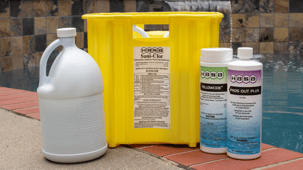
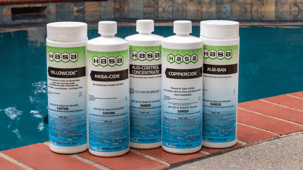
HASA has the chlorine, algaecides, and sanitizers you need to keep your pool or spa clean and clear.
Hot Tub Products
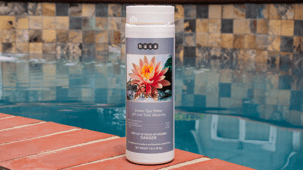
Shop our full line of Hi-Temp spa care products, including Eco-Safe Clarifiers and pH Increasers.
Ancillary Products
Our eco-friendly water treatments are science-backed and purposefully focused.
Mini-Bulk Program
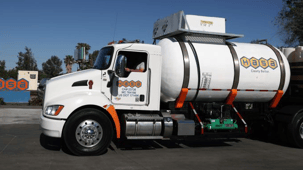
We deliver a premium 12.5% sodium hypochlorite solution for sanitizing commercial pools and large-scale water systems.
6 min read
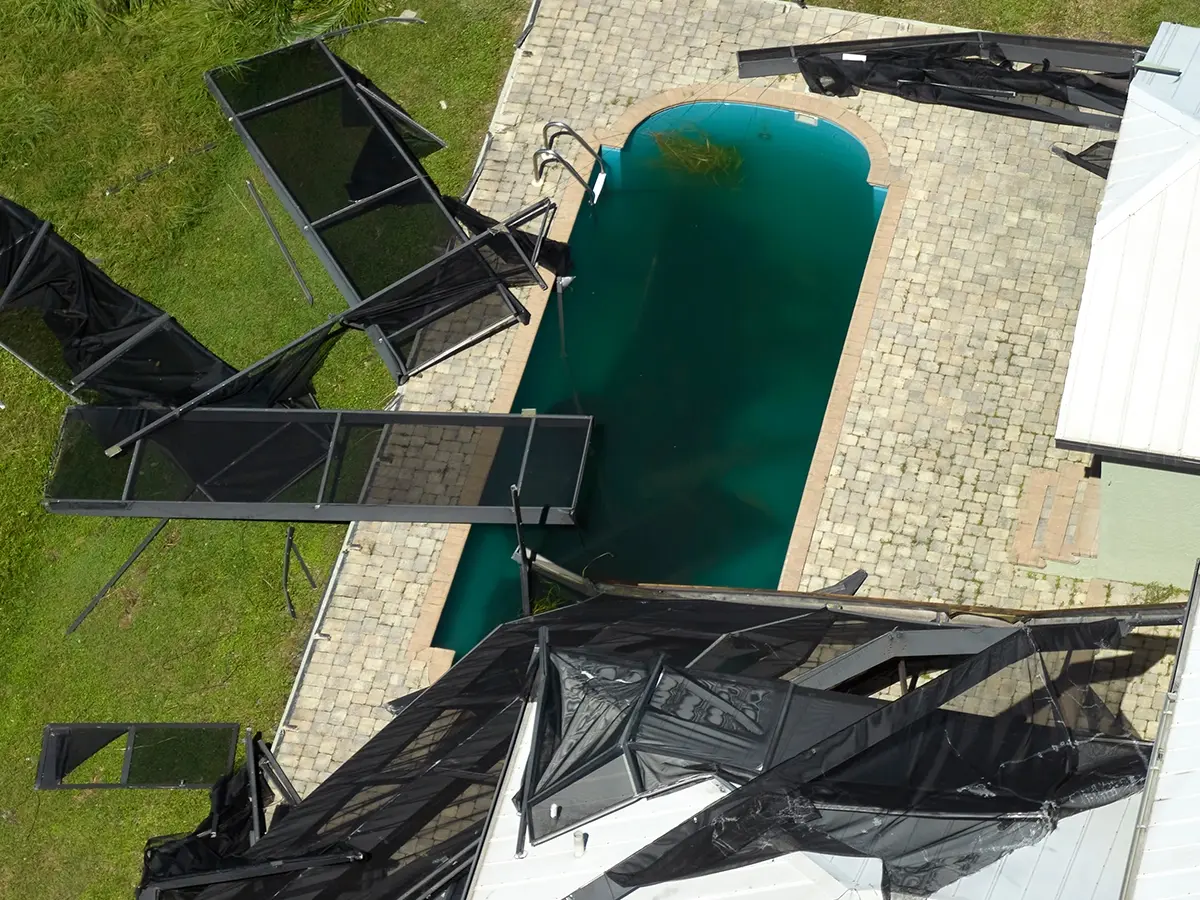
Hurricanes and severe storms can create serious challenges for swimming pool owners and pool professionals. From debris and floodwater contamination to damaged equipment and compromised pool chemicals, a storm can dramatically affect swimming pool water and pool water chemistry. Proper pool chemical management is especially important after a storm because floodwater can introduce contaminants into the pool. Knowing what to do before, during and after a hurricane can help protect the pool, equipment and people responsible for its care.
Hurricanes can threaten coastal regions during specific times of the year. Most hurricanes develop between June to October. They mainly form in the North Atlantic, The Caribbean Sea, and The Gulf of Mexico. Hurricanes are highly destructive for three reasons.
Hurricane Harvey hit Southeastern Texas hard. Over 204,000 homes were damaged. Three weeks after the storm, 3,900 homes were still without power. Nineteen water systems were non-operational, and boil and disinfection of water mandates were in place in many areas. The flooding in Nederland Texas was unprecedented. The storm dumped 60.5 inches in the area which was a record for the continental United States. This was classified as a 1,000-year flood event. The scope of the flooding in southeast Texas was the size of the state of New Jersey. Houston Texas is within Harris County. 70% of the 1800 sq. miles of the county was covered in at least a foot and half of water. The sheer weight of all that water caused the earth’s crust to depress, and Houston sunk two centimeters.
Floodwater can quickly spread raw sewage, bacteria and toxic chemicals throughout affected areas. Most of the damage in the Houston neighborhoods was related to the influx of very dirty water.
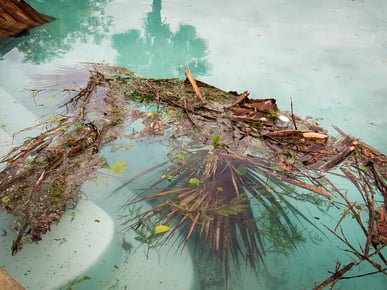 Hurricanes can cause significant damage to swimming pools in affected areas. Winds will blow in debris; flooding of coastal areas can wash in seawater and possibly even sea-life. In 2012 after New Jersey was hit by Superstorm Sandy pool service techs reported finding live fish and even shrimp in swimming pools for weeks after the storm. Heavy rain can lead to localized flooding which can bring numerous contaminants into swimming pool water. This can include toxic chemicals, gasoline, and untreated sewage.
Never drain an inground swimming pool as preparation for a storm. The underground water table could lead to hydrostatic pressure which can cause the entire pool to rise out of the ground. This will cause immeasurable damage to the pool structure, equipment and the surrounding area.
If at all possible trim bushes and tree branches around the pool to reduce the influx of debris in the water.
Shock the pool with 12.5% liquid pool chlorine. Two gallons in 10,000 gallons will help if the pool gets overwhelmed by contaminated flood waters.
Turn all the power off to the pool and equipment.
Move all loose items such as patio chairs and tables, toys, or decorations to a secure indoor area. Do not throw furniture etc. into the pool; This will lead to staining and damage to the pool surface.
Before the storm:
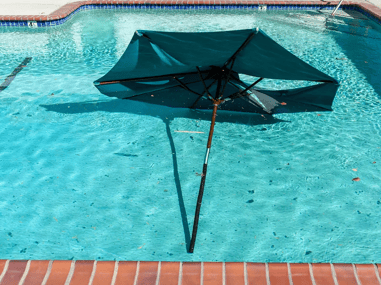
Never attempt to service or perform any type of remediation of a pool or surrounding area during the storm. The risk of lightning or being struck by windborne debris is a very real possibility during hurricanes and tropical storms. Also, there is the risk of being exposed to toxic flood waters. Stay indoors and evacuate the area if instructed to do so by emergency authorities.
Be aware of downed power lines in flood waters which could lead to electrocution.
Always make sure that all power is off before working around flooded areas. Do not turn on any equipment that has been submerged in flood water until it is inspected by a licensed electrician. Never attempt to turn on any equipment or switches if standing in water.
Floodwater contains a lot of contaminants including raw sewage and toxic chemicals. Wear personal protective equipment (PPE) – especially gloves and eye goggles.
Wash hands with HOT water and soap thoroughly and frequently during flood clean-ups – especially before eating or drinking. Hand sanitizers are not effective on visibly dirty hands.
Wash your clothes at the end of the clean-up process in hot water with detergent and chlorine bleach.
Clean your PPE and maintenance equipment (brushes, nets, poles, etc.) in a solution of 12.5% sodium hypochlorite (1 oz. in a 5-gallon bucket). Soak for at least 2 minutes and rinse thoroughly.
For cleaning and disinfecting decks, patio furniture and surfaces, use 2 ounces of 12.5% sodium hypochlorite per 5 gallons and allow to sit on surfaces for 2 minutes. Rinse all surfaces thoroughly when done.
Before attempting any clean-up or remediation of a storm damaged pool, check with authorities to ensure no adverse chemicals are in the water.
Once the pool has been determined to be safe, pool water chemistry can be evaluated and treatment can begin. Wear protective gloves and eye protection when cleaning debris from pool water.
Once all equipment is safely restored to working order, make sure to clean out skimmer baskets, pump pot basket and clean the filter.
When circulation is restored super chlorinate shock the water as follows: 2 gallons per 10,000 gallons of 12.5% liquid sodium hypochlorite. Allow the pool to circulate. Continue treating the water with liquid chlorine until normal clarity is restored and the pool can maintain a free chlorine residual of 2-4 ppm. During the clean up process, if it is determined that the pool does not require draining the use of enzymes, natural clarifiers and a phosphate remover should be considered in order to restore the swimming pool water to acceptable quality for use. Enzymes work well at breaking down petroleum and non-living organic contamination. A natural clarifier helps the filter to better remove suspended particles while a phosphate remover can ensure lasting quality of the water.
Due to extreme contaminants in flood water such as untreated sewage and toxic chemicals, draining pools may be recommended.
IMPORTANT: Check with local water treatment or sewage authorities for proper disposal before draining contaminated pools. The following should be determined before attempting to drain:
After widespread flooding, the ground is saturated and ground water levels are extremely high. Draining pools rapidly in the presence of high ground water leads to extreme hydrostatic pressure, which may cause the pool shell to pop out of the ground.
CAUTION: Before draining, check to see if the pool has a working hydrostatic relief valve that can relieve pressure on the outer shell when draining. DO NOT DRAIN the pool if you are uncertain of high groundwater levels and a hydrostatic relief valve is not installed. This could lead to serious structural damage.
Pools that cannot be immediately drained can be treated with 2- 4 gallons liquid sodium hypochlorite weekly until the pool can be drained and cleaned.
Once the pool has been safely drained, the pool surface can be acid washed and chlorine washed thoroughly. WARNING: Do not mix chlorine and acid together as this will create toxic chlorine gas.
Pools in hurricane flood zones may contain toxic substances and dangerous wildlife. Watch for animals in and around flooded areas, including alligators, crocodiles, water moccasins and other venomous snakes. Never attempt to remove a live wild animal. Contact animal control instead.
For ongoing pool care tips and resources, plan your maintenance once conditions are safe.
If onsite chemicals have been compromised by submersion of flood water or moisture, they should not be used. Contact the local HAZMAT agency for disposal instructions. Many chemicals become combustible and volatile when in contact with water or organic debris. Use caution when handling and storing pool chemicals – making use of PPE especially gloves, goggles and protective masks.
When dealing with pool cleanup and remediation after a severe storm or hurricane it is always best practice to use extreme caution. Use your senses to identify potential hazards. Look, listen and smell for signs of electrical hazards, chemicals or other dangers. Always keep in close contact with homeowners and emergency authorities before any work is done. Most importantly protect yourself and your workers by ensuring there is no electrical threat or harmful substances in flood waters. If ever uncertain about anything ask an expert and get lots of advice before proceeding with hurricane remediation work.
Storm cleanup can present serious safety and water-quality challenges. Once conditions are safe, having the right resources can help pool professionals get swimming pool water back to proper clarity and chemistry.
Explore HASA’s pool care tips and resources for practical guidance on pool maintenance, water chemistry and pool care.
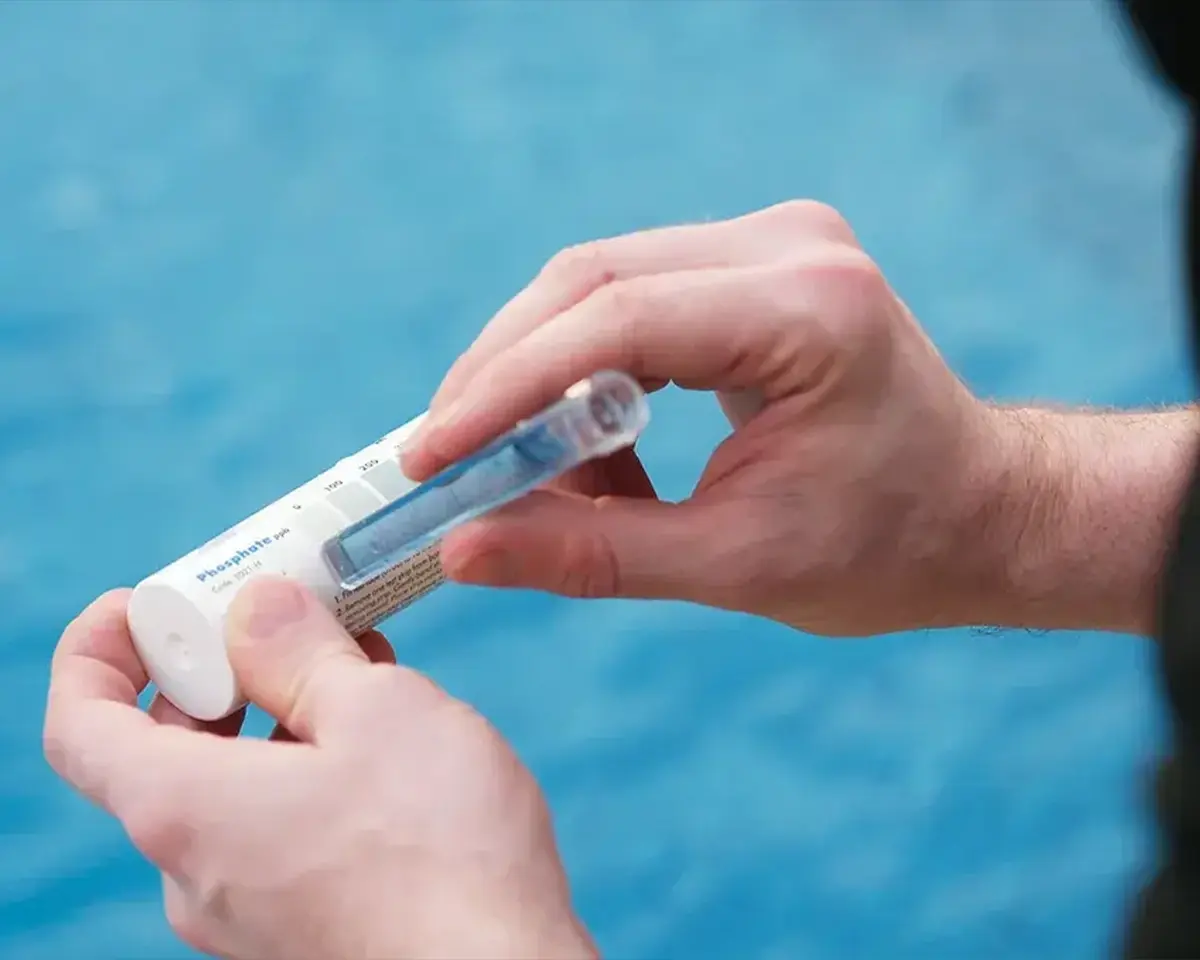
When most people picture a pool service visit, they imagine a quick skim, a chemical top-off, and a wave goodbye. But anyone who’s watched real pool...
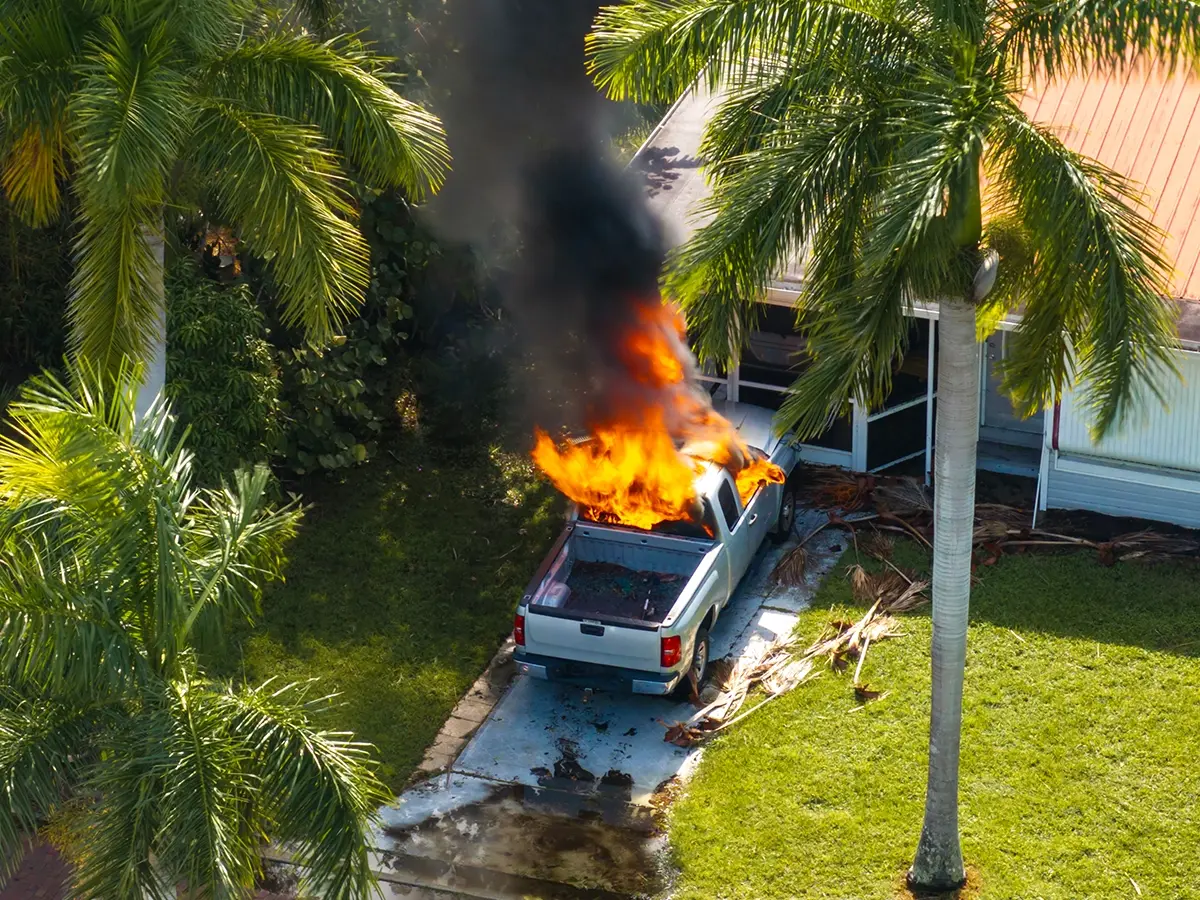
Pool Chemical Storage Safety: Protecting Yourself, Your Warehouse and Truck During Fire Season Fire season increases the risk of fires in pool...
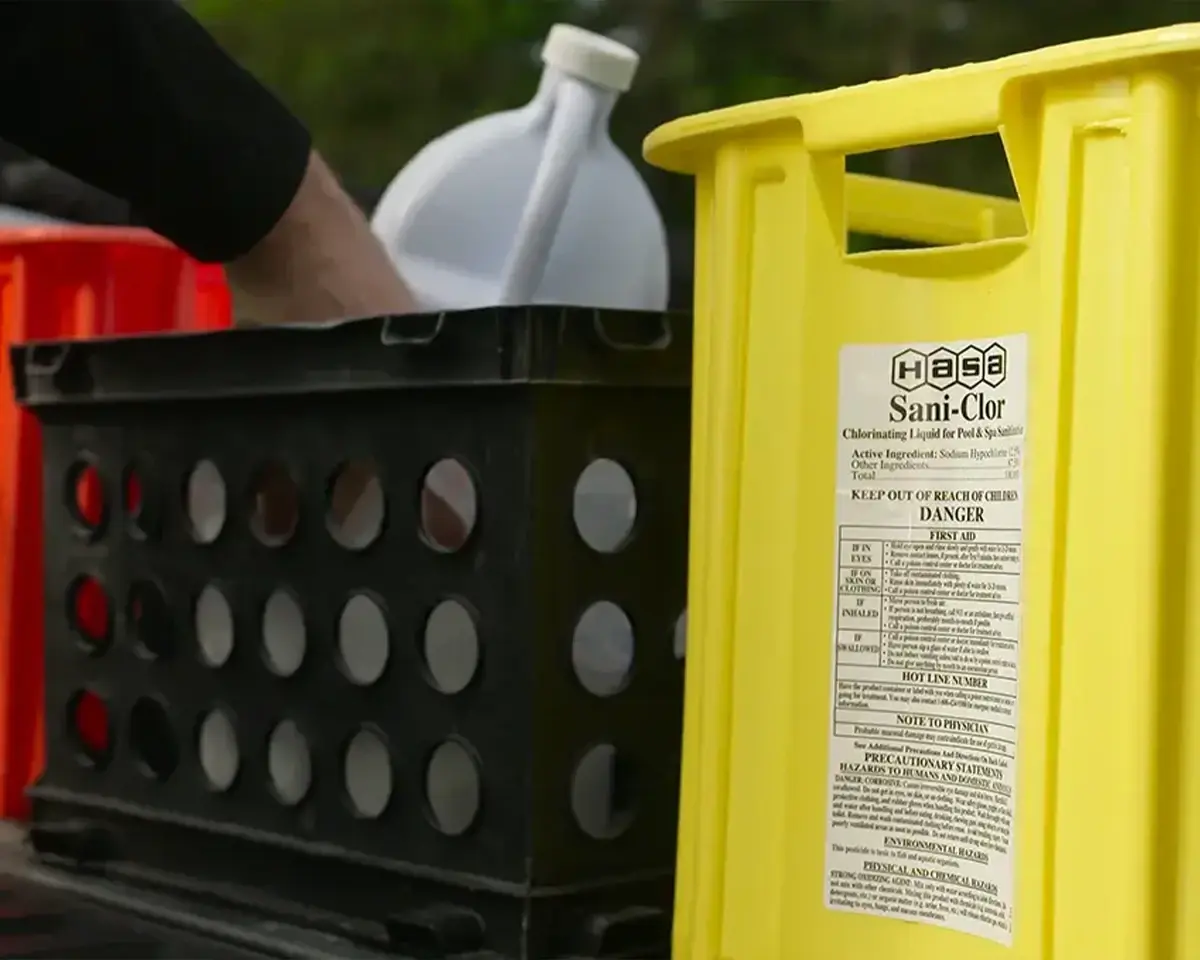
When it comes to pool chemical safety, there’s no room for shortcuts. Whether you’re a seasoned pool service pro or someone managing a community or...